Here are a few simple ways to enjoy the season and feel a little more comfortable after the feast.
Written by: Nutters Everyday Naturals
4 min read
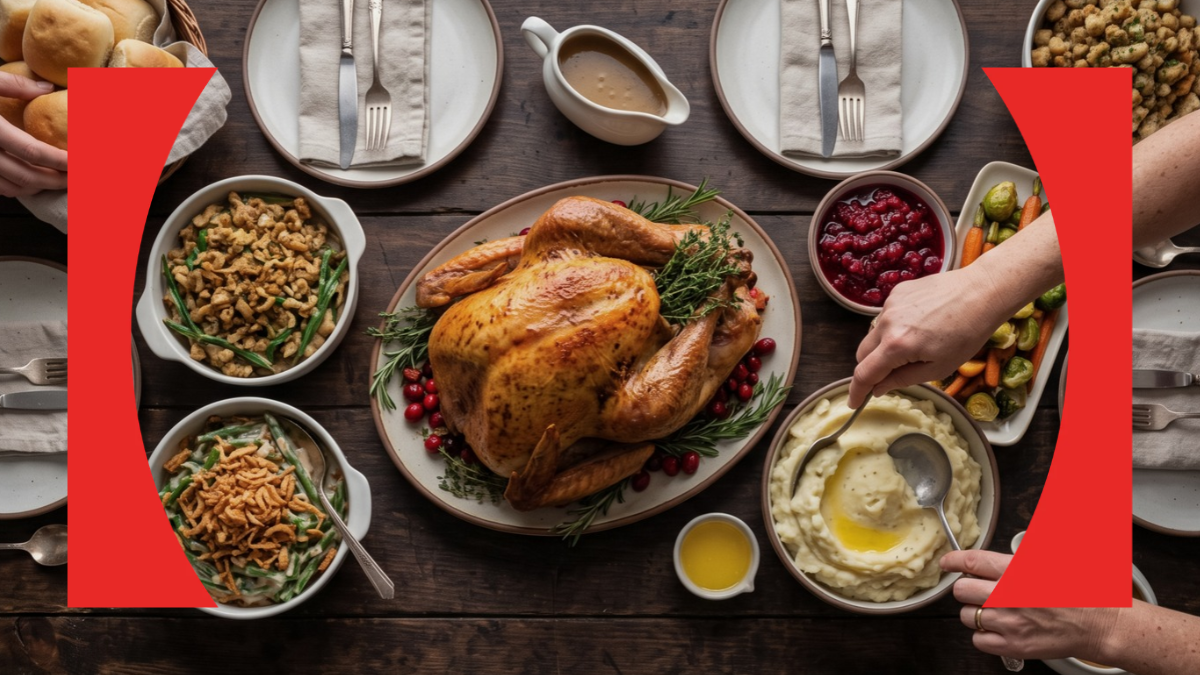
Let’s call it what it is: Eating Season. It started with the Halloween candy bowl and runs through to the last New Year’s canapé, and it asks a lot of your gut: richer food, later dinners, more sugar, more wine and fewer early nights. The good news is that your digestive system handles more than you’d think, and a few well-chosen helpers make it easier, without adjusting a single heritage family recipe.
WHY RICH MEALS FEEL HEAVY
Fat slows the stomach’s emptying on purpose. It signals the gut to take its time, so a meal of gravy, pastry and cheese can sit for hours. The signal that you’re full also arrives late, which means the best moment to pause is before seconds, not after dessert.
You don’t need to skip the dish you’ve been waiting all year for. Take a proper portion of it, fill the rest of the plate with vegetables and protein, and take a gentle walk afterward to help things along.
the pregame and the afterpARTY
Many cultures bracket a big meal with something bitter or warming, and it’s an easy habit to borrow. Before dinner, sparkling water with lemon or a splash of bitters is a traditional way to get things started. Afterward, a cup of ginger, fennel or chamomile tea gives the evening a natural slowdown. Neither changes anything on the table.
MATCH THE HELPER to the feeling:
Heavy, slow, over-full?
CONSIDER: Ginger tea or fresh ginger, bitters, a gentle walk.
Herbal bitters have a long history of use as a digestive aid, often taken before eating.
Ginger has traditionally been used to settle the stomach and may help ease nausea and feelings of fullness. A little cup of ginger tea after dinner is all that’s needed.
A relaxed 10–15 minute stroll after eating may help you feel more comfortable. No need to power walk or turn it into a workout, you’re just aiming for a little movement.
You don't need to do all three. Pick what feels good, give yourself time to digest, and remember that a little fullness after a big holiday meal is perfectly normal.
Gassy or crampy?
CONSIDER: Fennel, peppermint or chamomile tea; fennel seeds after dinner
Fennel has a long history of use after meals to ease gas and bloating. Chew a small pinch of seeds, or steep them as tea, as many cultures do after a big meal.
Peppermint is traditionally used to relax the digestive tract and ease cramping. A cup of tea after dinner is plenty.
Chamomile is a gentle, soothing choice if your tummy feels tight or unsettled, and it makes a cozy end to the evening.
Pick one, sip slowly, and let it do its work. (If heartburn is your issue, skip the peppermint. See below.)
Bloated after beans, onion, wheat or dairy?
CONSIDER: A targeted digestive enzyme (alpha-galactosidase or lactase).
Alpha-galactosidase helps break down the carbohydrates in beans, lentils and some vegetables. Take it with your first bite.
Lactase helps break down lactose, the sugar in milk and dairy, which makes it handy before the cheese board, creamy sides or dessert.
Enzymes are specific: each one handles one type of carbohydrate, so matching it to the food is what makes it work. A broad blend isn’t a pass to eat anything. Not sure which fits? Ask the Nutters team.
Heartburn?
CONSIDER: Smaller portions, an earlier dinner, a few hours upright.
Smaller portions of the richest dishes mean less pressure on the stomach. Fill your plate once, then take a break before deciding on seconds.
An earlier dinner gives your stomach time to empty before bedtime, and staying upright for two to three hours after eating helps keep acid where it belongs.
Skip the peppermint tea on these nights. It relaxes the muscle that keeps acid down. Ginger or chamomile are gentler choices.
Occasional heartburn after a big meal is common. If it becomes a regular visitor, it’s worth a chat with your pharmacist or doctor.
MOST OF ALL, IT’S ABOUT THE BIGGER PICTURE
Digestion is influenced by more than any one meal. Your usual eating patterns, fibre intake, hydration, movement and sleep all play a role in keeping things running comfortably. Holiday meals might look a little different from your everyday routine, and that's okay. Rather than looking for a quick fix or a dramatic reset, focus on getting back to the habits that support digestive health day to day.
One brief caution: symptoms that persist for weeks, keep you up at night, or come with blood in the stool or unexplained weight loss deserve a conversation with your doctor. And if you suspect celiac disease, get tested before cutting out gluten.
Bottom line: Have the pie. Eat slowly enough to taste it, make a pot of ginger or fennel tea afterward, and take a walk around the block. If you’d like help choosing products to help you through the rich foods ahead, the Nutters team is always happy to chat.
Happy Eating Season!
Speaking of rich foods…
have you seen our apple pie recipe?
Surprisingly simple to put together and a hallmark of a festive dining table. View the recipe here.