Fuelling immunity: Key Nutrients You Should Know about
Explore how key nutrients (including vitamins C and D, quercetin, zinc, selenium, and probiotics) help support immune function and what to consider when choosing supplements.
Written by: Stephanie Rubino, ND
Brought to you by: Natural Factors
4 min read
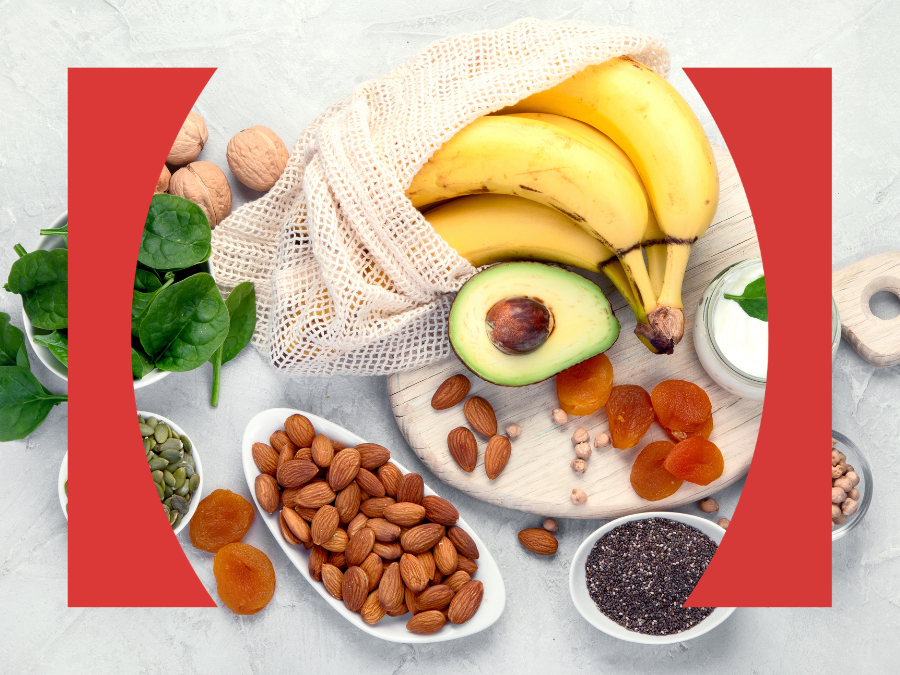
Your immune system works hard every day to help protect you from bacteria, viruses, and other unwanted microbes. To do its job well, it relies on a variety of nutrients that help support immune function and the body's natural defences. Let's take a closer look at some key nutrients that can help support your immune health, especially during cold and flu season.
Vitamin C
Vitamin C is an essential antioxidant that helps regulate immune function and plays a role in the body's inflammatory response.¹ High concentrations of vitamin C are found in white blood cells, where it is used quickly during an infection.² Research suggests that vitamin C supplementation may help reduce the duration of common cold symptoms, including coughing and mucus congestion, and support the body's defences against harmful microbes.³
When choosing a vitamin C supplement, it's worth considering how different forms may work for you. Ascorbic acid is a common option, but it can cause stomach discomfort for some people. Liposomal vitamin C is another option, formulated to help protect the nutrient during digestion and improve its delivery and absorption.
Quercetin
Quercetin is a naturally occurring bioflavonoid found in many plants, fruits, and seeds. Known for its antioxidant properties, quercetin has also been studied for its potential anti-inflammatory and antimicrobial effects, including in relation to allergies and immune health.⁴⁻⁷
One challenge with quercetin is that the body doesn't absorb it easily. Certain supplement formulations are designed to improve its bioavailability, helping the body make better use of the nutrient. One example is Quercetin LipoMicel®, which uses LipoMicel technology—a micelle delivery system developed to improve the bioavailability of nutrients that are difficult to absorb, including quercetin and berberine.⁸
Vitamin D
Vitamin D is best known for its role in maintaining strong bones, but it also helps regulate immune function by influencing the activity of various immune cells.⁹⁻¹¹ Research has linked vitamin D insufficiency and deficiency with an increased risk of infection.⁹
Sun exposure helps your body produce vitamin D, but depending on the season, where you live, and your individual needs, getting enough can be a challenge. Vitamin D3 supplements offer another way to help maintain adequate levels and may help reduce the risk of acute respiratory tract infections in some people.¹²
Vitamin D supplements are available in a variety of forms, including tablets, soft gels, liquids, and gummies. With different options and dosages available, you can choose a format that fits your preferences and discuss your individual needs with a qualified health professional.
Zinc and Selenium
Zinc and selenium are essential minerals that play important roles in immune function. Both support processes that help the body respond to infections and maintain healthy immune cells.
Selenium helps support immune cells, including natural killer cells and T-cells, while research has linked selenium deficiency with certain viral infections.¹³⁻¹⁴ Zinc also plays a role in immune regulation, supports white blood cell function, and helps maintain the body's defences in the respiratory tract. A zinc deficiency can impair immune function, making adequate intake important for overall health.¹⁵⁻¹⁶
Both minerals can be found in many multivitamins or taken as individual supplements. A balanced diet is a good starting point, while supplementation may be helpful when dietary intake is insufficient or your needs warrant it.
Probiotics
Your gut is home to a diverse community of microorganisms that play an important role in digestion and immune function. In fact, a substantial portion of the body's immune activity is associated with the gut, making a healthy balance of gut bacteria an important part of overall well-being.¹⁷
Fermented foods can help support your gut microbiota, and probiotic supplements offer another option. Certain well-studied probiotic strains may help support gut health, provide benefits during some infections, and reduce the risk of antibiotic-associated side effects, such as diarrhea.¹⁸
Research has also found that certain probiotic strains, including Lacticaseibacillus paracasei and Lacticaseibacillus rhamnosus, may help reduce the risk or duration of upper respiratory tract infections in adults aged 60 and older.¹⁹
If you're considering a probiotic supplement, look at the specific strains it contains, the colony-forming unit (CFU) count, and the health benefits supported by research on those strains. Different probiotics can offer different benefits, so choosing one suited to your individual needs is important.
Give Your Immune Health Some Extra Attention
Supporting your immune system, of course, starts with the everyday basics: eating a varied, balanced diet, getting enough sleep, staying active, and making time for rest. Nutrients such as vitamins C and D, zinc, selenium, quercetin, and probiotics can also play a role in supporting your body's natural defences.
If you're considering supplements, think about the total picture of your diet, lifestyle, and individual needs, and speak with a qualified health professional if you're unsure where to start.
References
1. Corrao S, Mallaci Bocchio R, Lo Monaco M, et al. Does evidence exist to blunt inflammatory response by nutraceutical supplementation during COVID-19 pandemic? An overview of systematic reviews of vitamin D, vitamin C, melatonin, and zinc. Nutrients. 2021; 13(4):1261.
2. Maggini S, Maldonado P, Cardim P, et al. Vitamins C, D and zinc: Synergistic roles in immune function and infections. Vitam Miner. 2017; 6(2):167.
3. Ran L, Zhao W, Wang H, et al. Vitamin C as a supplementary therapy in relieving symptoms of the common cold: A meta-analysis of 10 randomized controlled trials [published correction appears in Biomed Res Int. 2021; 2021:9875417]. Biomed Res Int. 2020; 2020:8573742.
4. Salehi B, Machin L, Monzote L, et al. Therapeutic potential of quercetin: New insights and perspectives for human health. ACS Omega. 2020; 5(20):11849-72.
5. Anand David AV, Arulmoli R, Parasuraman S. Overviews of biological importance of quercetin: A bioactive flavonoid. Pharmacogn Rev. 2016; 10(20):84-9.
6. Mlcek J, Jurikova T, Skrovankova S, et al. Quercetin and its anti-allergic immune response. Molecules. 2016; 21(5):623.
7. Jafarinia M, Sadat Hosseini M, Kasiri N, et al. Quercetin with the potential effect on allergic diseases. Allergy Asthma Clin Immunol. 2020; 16:36.
8. Solnier J, Chang C, Roh K, et al. Quercetin LipoMicel—A novel delivery system to enhance bioavailability of quercetin. J Nat Health Prod Res. 2021; 3(2):1-8.
9. Wang H, Chen W, Li D, et al. Vitamin D and chronic diseases. Aging Dis. 2017; 8(3):346-53.
10. Sîrbe C, Rednic S, Grama A, et al. An update on the effects of vitamin D on the immune system and autoimmune diseases. Int J Mol Sci. 2022; 23(17):9784.
11. Bishop EL, Ismailova A, Dimeloe S, et al. Vitamin D and immune regulation: Antibacterial, antiviral, anti-inflammatory. JBMR Plus. 2020; 5(1):e10405.
12. Ismailova A, White JH. Vitamin D, infections and immunity. Rev Endocr Metab Disord. 2022; 23(2):265-77.
13. Avery JC, Hoffmann PR. Selenium, selenoproteins, and immunity. Nutrients. 2018; 10(9):1203.
14. Poles J, Karhu E, McGill M, et al. The effects of twenty-four nutrients and phytonutrients on immune system function and inflammation: A narrative review. J Clin Transl Res. 2021; 7(3):333-76.
15. Sadeghsoltani F, Mohammadzadeh I, Safari MM, et al. Zinc and respiratory viral infections: Important trace element in anti-viral response and immune regulation [published online ahead of print, 2021 Aug 9]. Biol Trace Elem Res. 2021; 1-16.
16. Gammoh NZ, Rink L. Zinc in infection and inflammation. Nutrients. 2017; 9(6):624.
17. Wiertsema SP, van Bergenhenegouwen J, Garssen J, et al. The interplay between the gut microbiome and the immune system in the context of infectious diseases throughout life and the role of nutrition in optimizing treatment strategies. Nutrients. 2021; 13(3):886.
18. Yang S, Qiao J, Zhang M, et al. Prevention and treatment of antibiotics-associated adverse effects through the use of probiotics: A review. J Adv Res. 2024; S2090-1232(24)00230-3.
19. Strauss, M, et al. Probiotics for the prevention of acute respiratory-tract infections in older people: Systematic review. Healthcare (Basel, Switzerland). 2021; 9(6):690.
CTA Box title.
Add content here.