

You’ve all heard it a thousand times…
“Move more.”
“Exercise is good for you.”
“Get your steps in.”
Sure. But why? What is actually going on inside your body when you go for a walk, lift some weight, or just spend time in your garden pulling weeds? When you understand what movement is doing for you under the hood, it stops feeling like a chore you’re have to get through and starts feeling like something worth showing up for.
So let’s get into it. No fitness influencers. No gym selfies. Just the honest, fascinating truth about what movement does for a real human body.
The “Hard-Core” Gym Fallacy.
Social media would have you believe that exercise only counts if you’re wearing the right fashion gear and sweating next to people who look like they were built in a lab. If that’s your thing, great — it does work!
But for the rest of us, here’s the good news: the bar is A LOT lower than Instagram makes it seem.
The current guidelines for healthy adults recommend 150 minutes of moderate movement per week. Do the math and that’s about 22 minutes a day. Not an hour. Not a punishing boot camp.
The even better news is that those 22 minutes of moving your body can also be done at a comfortable pace – a walk, a bike ride, a dance around your living room. Any of these things done consistently, is genuinely enough to make a meaningful difference to your health.
What’s the Catch?
The catch (oooo… knew there was one somewhere, right?) is that word consistently. One 75-minute hardcore workout every two weeks isn’t going to give you much. Your body doesn’t really work that way. It responds to regular signals, not occasional heroic efforts. A short walk five days a week will do more for you than an intense session once-in-a-while followed by a long stretch of nothing.
So the real question isn’t how hard you’re willing to push… Ask yourself what kind of movement you can actually see yourself doing most days. What makes 22 minutes feel less like a drag and more like something you’d choose to do? That’s the thing you should be doing. Walking your dog, riding your bike on a trail, a YouTube yoga video in your living room, an after-dinner stroll with your partner – it all counts equally. Find what makes it enjoyable, and you’ve cracked the hardest part. (See the end of this article for a more complete list of fitness options you might not have even thought of!)
What’s Actually Happening in Those First 20 Minutes
Let’s help get your imagination jogging with an understanding of what’s actually happening when you lace up your shoes and head out the door. What’s your body doing?
Within the first few minutes, your heart rate goes up. That means your heart is pumping more blood and that blood is carrying oxygen and nutrients to your muscles, your organs, and your brain.
Your circulation improves almost immediately. Your lymphatic system, which has no pump of its own, starts moving more freely because your movement is its pump. That system is responsible for clearing cellular waste from your tissues and supporting your immune response, which is one reason people who move regularly tend to get sick a little less often.
Your brain is also doing something remarkable from the start. Within minutes of moving, it begins releasing a protein called BDNF – brain-derived neurotrophic factor. Think of it as fertilizer for your brain cells. It supports memory, learning, and mood regulation. It’s one of the main reasons a walk can clear your head when you’re stuck on a problem, or lift your mood when you’re having a hard day. That’s biology assisting your thinker.
And perhaps the most striking thing: a 20-minute walk done consistently has been shown to reduce the risk of the big concerns like heart disease, type 2 diabetes, and some cancers. We’re not talking about running a 10K. We’re talking about a walk around the block after dinner.
Quite literally, the little things mean a lot.
When It Becomes a Habit, That’s When the Real Change Kicks In!
Here’s where it gets even more interesting.
When movement becomes regular (reminder: not perfect, not intense, just regular) your body starts to adapt at a cellular level. Your mitochondria, the tiny energy factories inside your cells, multiply. You literally grow more of them. Which means your body becomes more efficient at producing energy, and that’s a big part of why people who move consistently report feeling less tired during their day, not more.
Your cardiovascular system adapts too. Your heart becomes more efficient. Your blood vessels become more flexible. Your blood pressure tends to ease downward. Your resting heart rate drops, which means your heart is doing less work just to keep you going.
Your blood sugar regulation improves. Every time your muscles contract, they pull glucose out of your bloodstream, independent of insulin. Over time, regular movement makes your cells more responsive to insulin in general, which is enormously meaningful for long-term health, especially as we age.
And then there’s inflammation. Chronic low-grade inflammation is connected to just about every disease that worries us – heart disease, arthritis, dementia, even depression. Regular moderate movement is one of the most powerful anti-inflammatory things a person can do – more than any supplement or special diet. Just movement, done often enough that your body starts to expect it.
“Weight-Bearing Exercise” Doesn’t Mean What You Think It Means
Let’s be honest: those three words can sound a little intimidating. Weight-bearing exercise. It conjures up images of a gym full of people who are already muscled and carved out, clanging barbells around while you try to figure out which machine does what.
It doesn’t have to look anything like that.
Weight-bearing exercise is anything that asks your muscles and bones to work against some kind of resistance. That can absolutely be a gym. But it can just as easily be a set of dumbbells in your spare bedroom. A kettlebell in the corner of the kitchen. Squats while you wait for the coffee to brew. A set of push-ups before you hop in the shower. Your own bodyweight is a perfectly legitimate tool, and you can get a genuinely effective workout with it without ever leaving your house.
So why does it matter? Because walking, as wonderful as it is, doesn’t fully cover this territory on its own.
When your muscles work against resistance, they experience tiny amounts of stress in the fibres. Your body responds by repairing and rebuilding those fibres a little stronger. Over time, that’s how muscle is built — not during the workout itself, but in the recovery afterward.
And muscle matters enormously, not just for how you look but for how you function. Muscle is metabolically active tissue. It supports your joints. It keeps you stable and upright as you get older. The research on muscle mass and longevity is genuinely striking — people who maintain muscle as they age are more independent, have better balance, recover from illness faster, and tend to live longer. It’s not about aesthetics. It’s about being able to carry your own groceries at 75.
Bone responds the same way. Bone is living tissue, and it rebuilds itself in response to load. Weight-bearing movement is one of the most important things we can do to protect against bone loss – something that becomes especially significant for women after menopause. The time to build that bone density is now, before it’s needed.
Even if resistance work isn’t part of your daily 22 minutes, just two or three sessions a week, whatever form that takes for your life, is genuinely enough to see and feel the difference.
The “Whole”-istic Way Movement Heals
We’ve talked a lot about the physical side of things. But there’s something equally real happening in your head, and it would be a shame to skip it.
Movement changes your brain chemistry in measurable, significant ways. We touched on BDNF earlier, but there’s more. Serotonin, dopamine, and norepinephrine — all involved in mood, motivation, and focus — go up with regular movement.
Cortisol, the stress hormone, tends to come down over time in people who move regularly. Interestingly, it does spike briefly during exercise itself, but that short-term spike is part of what trains your body’s stress response to become more resilient over time. You get better at handling stress, biologically speaking, because you’ve been practising in small doses.
Sleep improves with regular movement — both the ease of falling asleep and the quality once you’re there.
Anxiety symptoms ease. People with mild to moderate depression who exercise regularly often see improvements comparable to medication, not because exercise is magic, but because it’s addressing the same underlying biological mechanisms that medication targets.
None of this means you should change your prescriptions or ignore professional advice. But it does mean that when you move your body, you are doing something genuinely meaningful for your mental health – something that shows up in the research as clearly as it shows up in how people actually feel day to day.
The Only Rule That Matters
Twenty-two minutes. Most days. In whatever form you’ll actually do it.
That’s it. That’s the whole plan.
And it doesn’t need to be the same thing every time. It doesn’t need to look impressive to anyone, including yourself. It just needs to happen with some regularity, because that’s what your body is listening for – the signal that movement is part of your life now, and it can start adapting accordingly.
Even the weeks where you only manage two or three days still count. Even the slow walks count. Even the imperfect, half-hearted, “I really didn’t feel like it but I did it anyway” days count…maybe those most of all.
So Where Do You Actually Start? A Few Ideas Worth Trying!
Feeling inspired but not sure what to do next? Try a few things until you find YOUR thing.
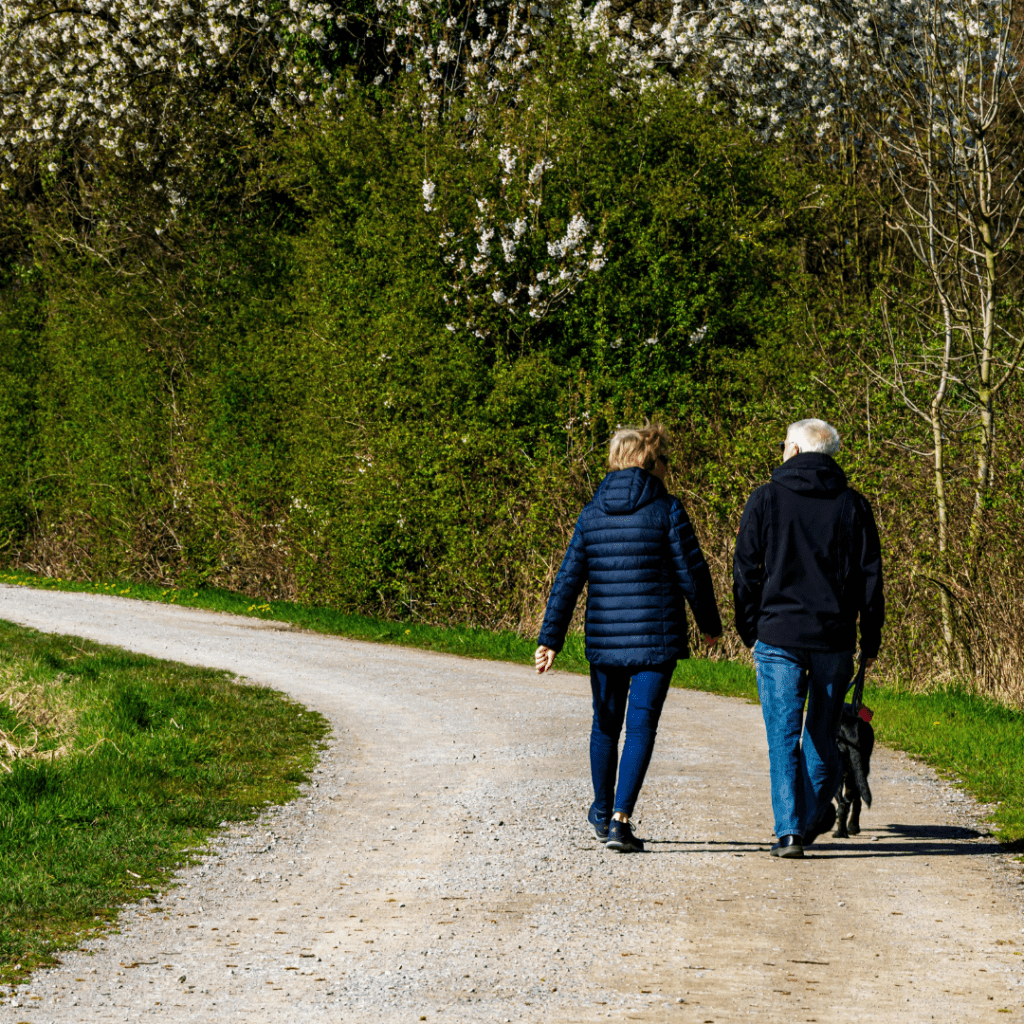
Walking — Still the gold standard for good reason. Free, accessible, adjustable, and genuinely effective for everything we talked about above. If you’re not moving at all right now, a daily walk is the best first step you can take. Literally. (Find some family, friends or neighbours to join and make it a social walk – bonus points for connection and benefits for your community well-being!)
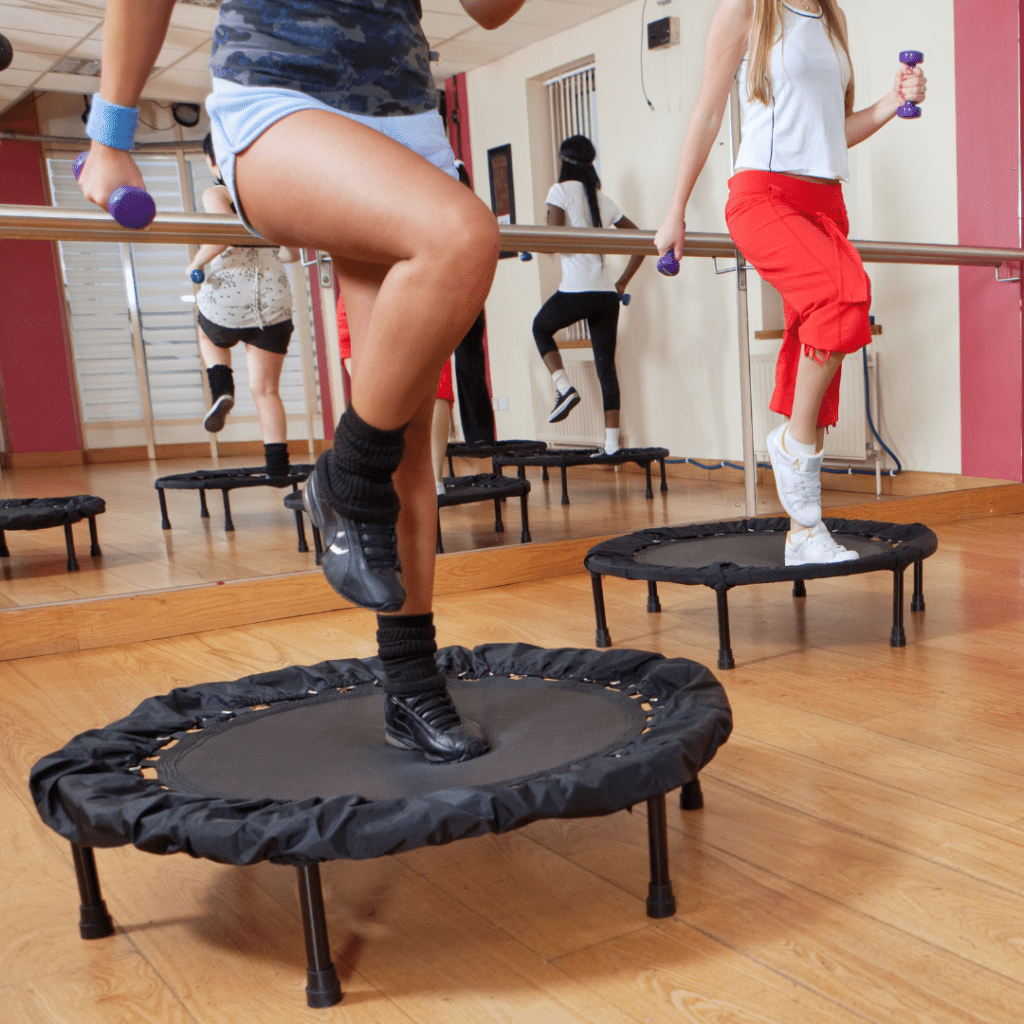
Fitness Rebounders (Mini Trampolines) — This one surprises people. A rebounder is a small trampoline designed for home workouts, and the research behind it is legitimately impressive. Studies have found that rebounding works your cardiovascular system at a similar intensity to running but, because the surface absorbs impact, your joints barely know you’re doing it. It’s also one of the few exercises that actively supports your lymphatic system. And honestly? It’s hard not to enjoy. There’s something about bouncing that feels a little like being eight years old again, and that’s not a bad way to feel about exercise! Search YouTube for inspo for moves and Facebook marketplace for cheap rebounders!
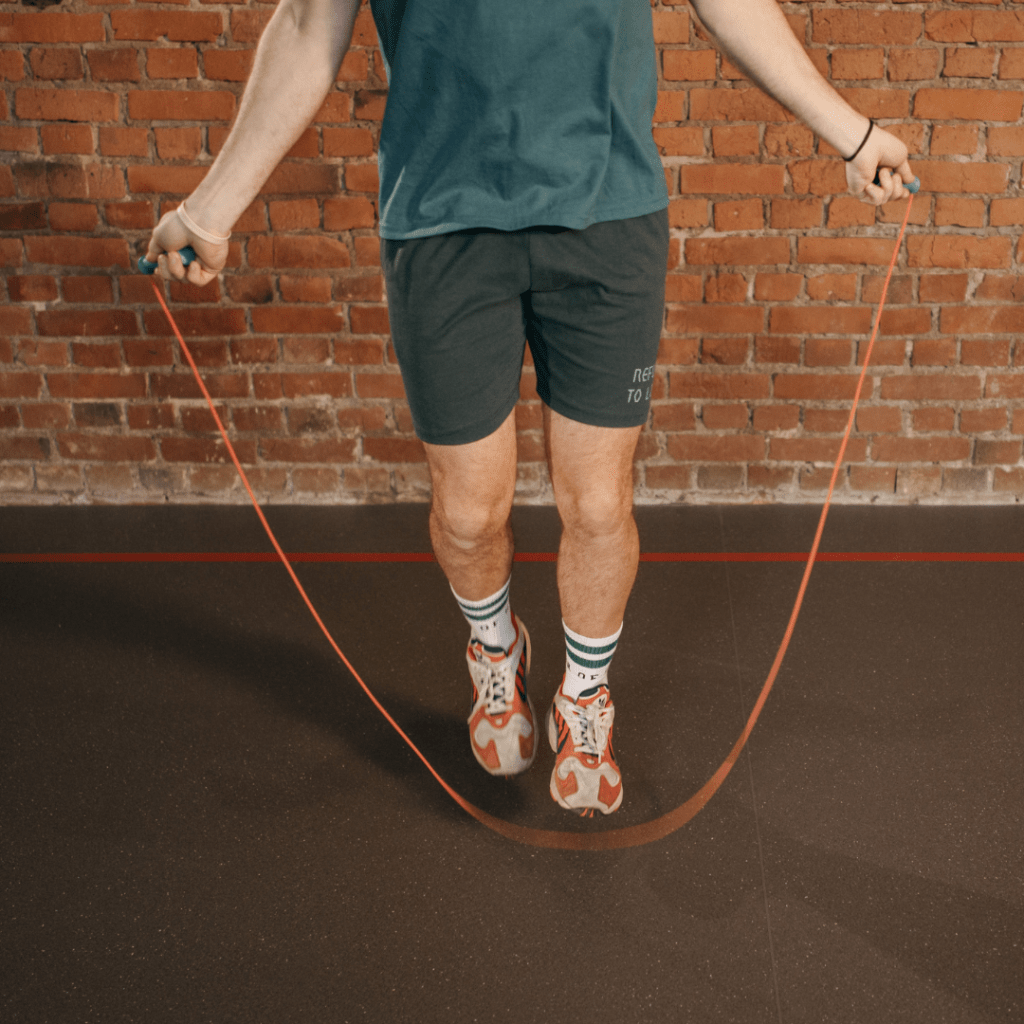
Jump Rope — If you haven’t picked up a skipping rope since grade school, prepare to be a little humbled and then, quickly, genuinely hooked. Jump rope is one of the most efficient cardio workouts available. Ten minutes of jumping can match the cardiovascular work of a much longer run, and it builds coordination and rhythm in a way most exercises don’t. Weighted ropes are especially worth looking into – they slow your rotations down and give you more feedback as you jump, which makes learning the rhythm much easier. (The Jump Rope Dudes on YouTube are a great starting point — approachable, encouraging, and genuinely useful for beginners.)
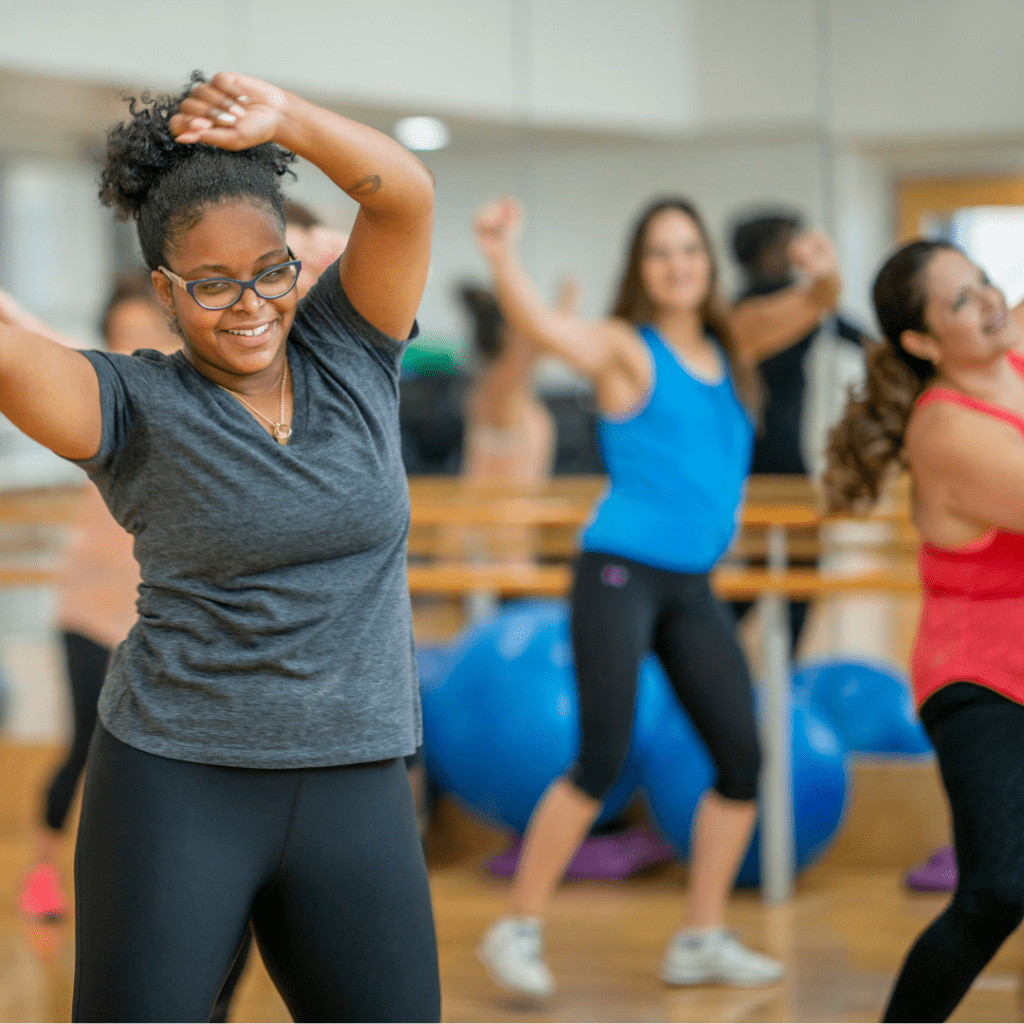
HIGH Fitness — If you like to dance and a good sweat seems like your speed, this one is for you! Born in Calgary, Alberta, HIGH Fitness has grown to over a million participants annually through in-person and virtual classes. Think aerobics, but set choreography, upbeat music, no-equipment formats, and a vibe that’s much more “fun with your neighbours” than “gym class you dread.” There are high and low-impact options, so it genuinely works for different fitness levels. Classes are available online and through local instructors across Western Canada. Find them at highfitness.com.
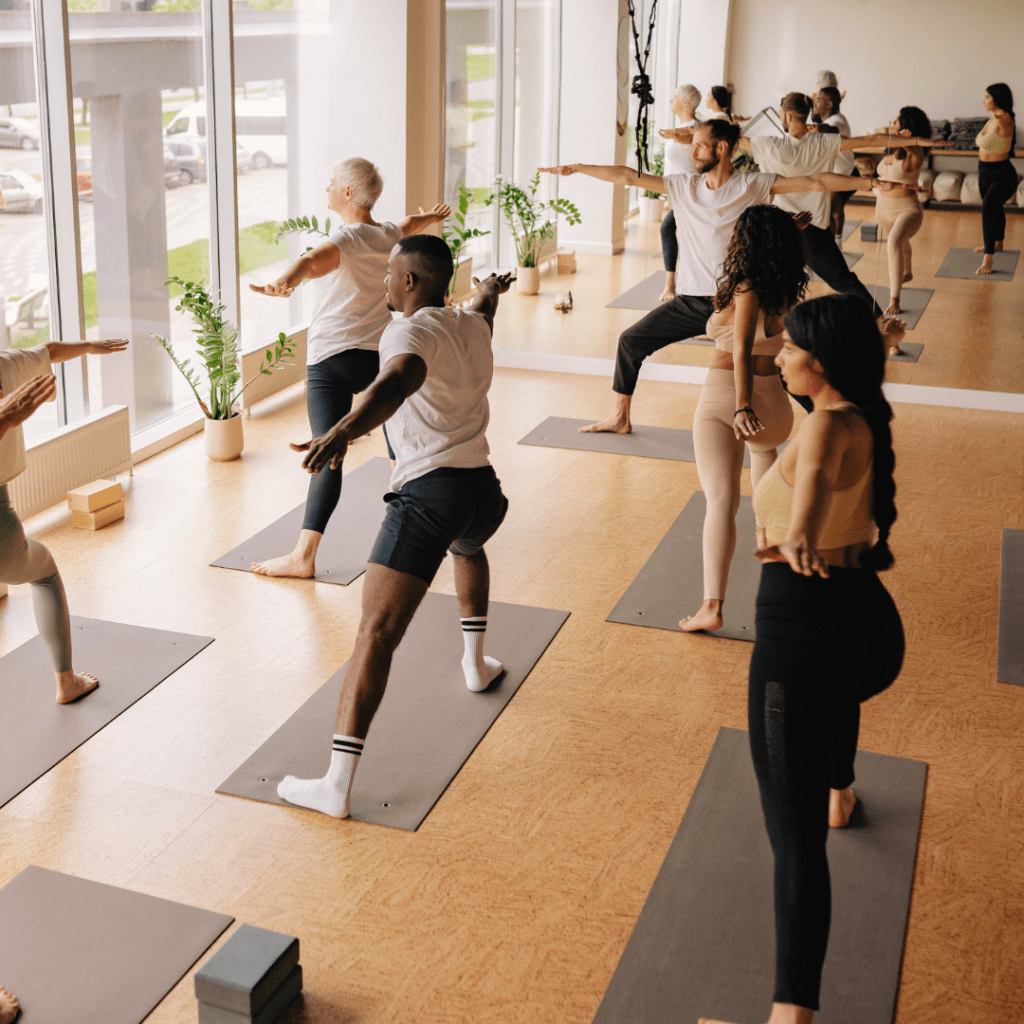
Yoga — Not everyone needs more cardio. Sometimes what your body is actually asking for is the chance to move through its full range, breathe properly, and release tension it’s been holding onto for weeks. Yoga counts. Yoga with Adriene on YouTube has been introducing people to accessible, non-intimidating yoga for years — it’s free, there are videos for every level and mood, and she’s exactly the kind of teacher you’d want if you’ve always been a little skeptical of yoga. Once you gain some confidence, maybe you’ll feel ready to join a local studio?
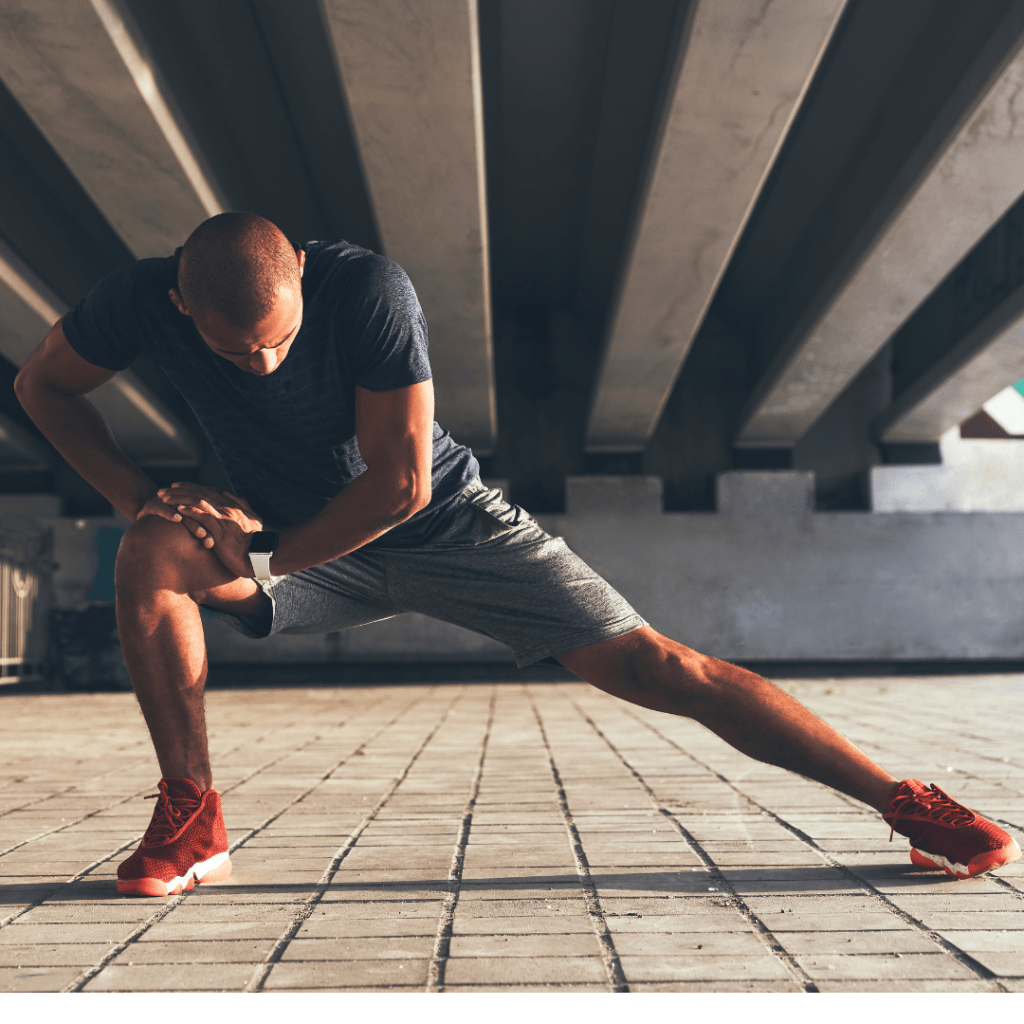
Mobility Work — Yoga is great, but mobility work is more targeted. It’s the practical, mechanical side of things — deliberately moving your joints through their full range of motion to reduce stiffness, improve how you move day-to-day, and protect yourself from injury over time. Think of it less as a workout and more as maintenance. The kind of thing your body genuinely needs, especially if you spend a lot of your day sitting, or you’ve noticed that getting up off the floor takes a little more effort than it used to.
Tom Merrick’s YouTube channel Bodyweight Warrior is worth bookmarking for his follow-along routines as short as five minutes.

Swimming — A wildly underrated option, especially for anyone dealing with joint pain, injury recovery, or simply wanting a workout that feels restorative rather than punishing. The water supports your body weight while providing resistance in every direction, which means you’re working hard without the impact. If there’s a pool in your town, it’s worth a second look.
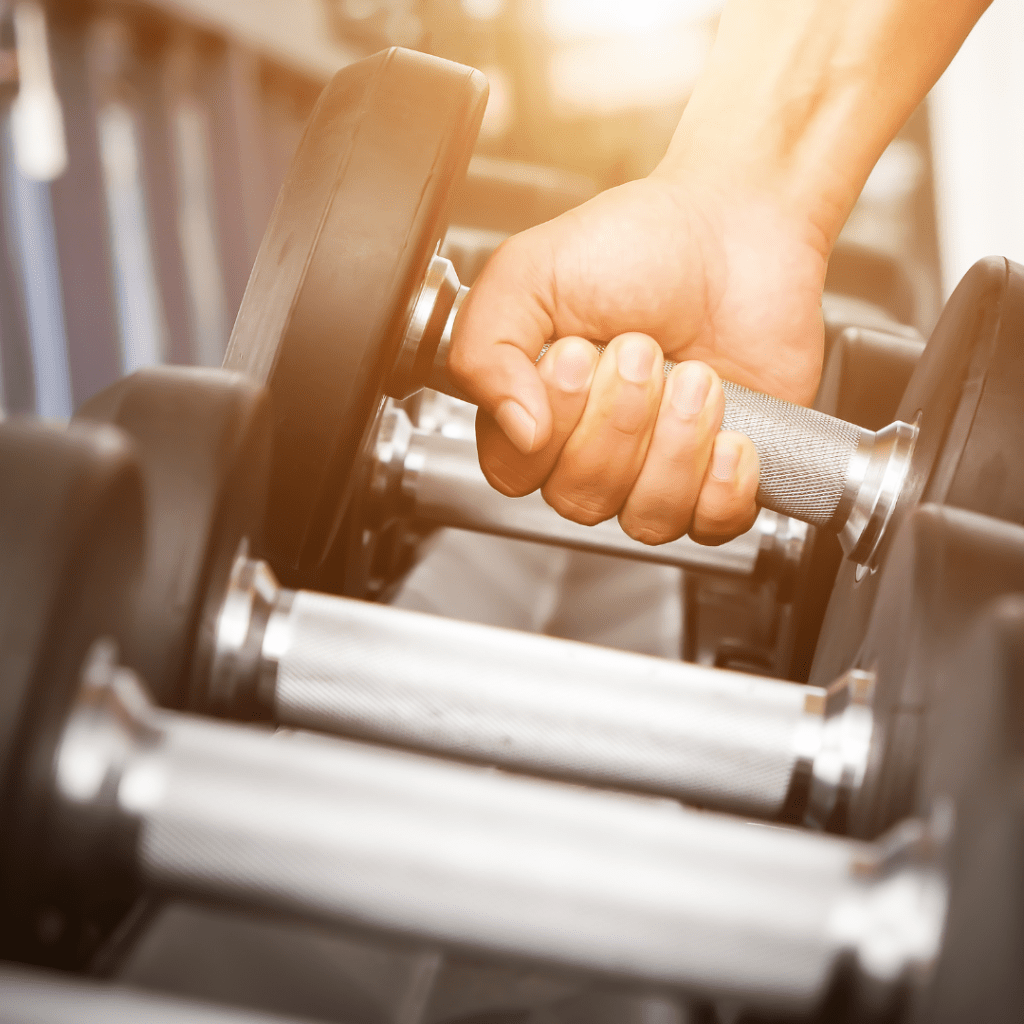
Last, but not least, the Traditional Gym — Of course, there’s always this option and it’s worth not dismissing just because it feels intimidating. A good gym gives you access to equipment that’s hard to replicate at home, group fitness classes, and often, the simple social accountability of showing up somewhere that isn’t your living room. For a lot of people, that last part matters more than they expect.
If you’ve avoided gyms because you picture them full of people who already know exactly what they’re doing — that’s not most gyms, and it’s definitely not most of the people in them. Everyone started somewhere.
______________________________________________________

Have questions about movement and which natural health supports might help? Come find us in the store. We’d love to talk!